
Summer brings longer days, warmer weather and more opportunities to spend time outdoors. For some people, this feels wonderful. For others, particularly those living with fatigue, pain, menopause symptoms or disrupted sleep, the heat and longer days can be challenging.
Even when we enjoy summer, it’s easy to find ourselves doing more than our bodies are comfortable with. Gardening, walking, travelling, socialising and making the most of the daylight can all add up.
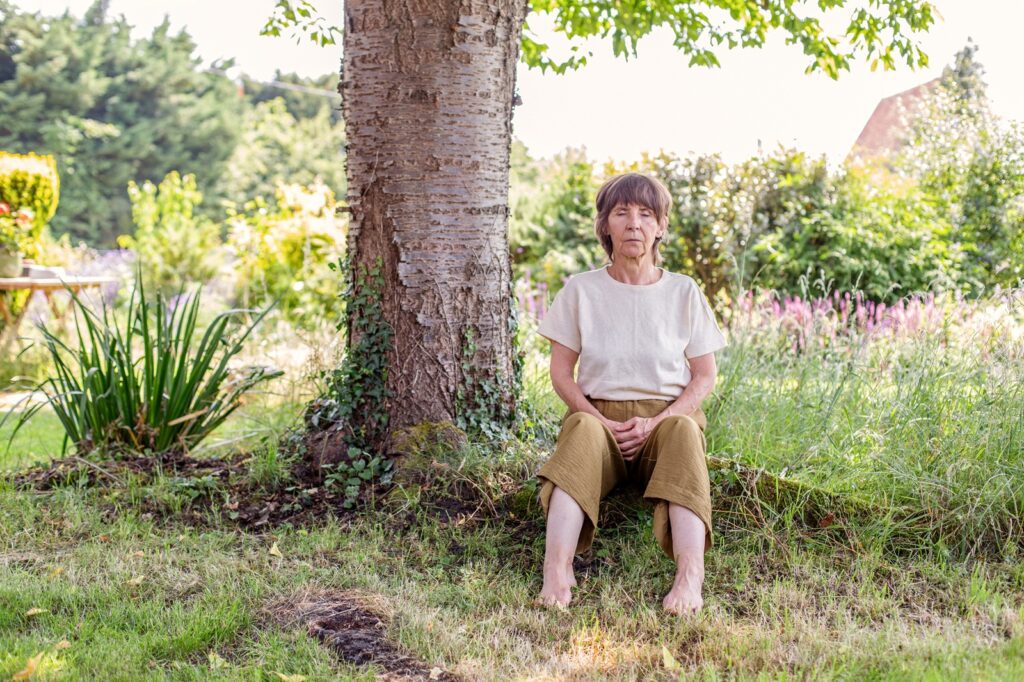
As summers become increasingly hot, I’ve noticed that I’m drawn more often to the shade of a tree. I still love being outdoors, but the way I enjoy summer has changed over the years.
How we experience a season depends on many things, including our health, energy, age and circumstances. A little awareness of how our bodies respond can help us enjoy summer in ways that feel good and sustainable.
Moving comfortably in warmer weather
Summer offers wonderful opportunities for movement. A walk in the early morning, gardening, swimming or practising yoga outdoors can all be enjoyable.
But warmer weather also changes how the body responds to activity.
On particularly hot days, we may tire more quickly, feel light-headed or notice that familiar activities require greater effort.
I often encourage people to become curious about the way they’re moving and how their body responds, rather than simply carrying on because something is part of their usual routine.
Perhaps a shorter walk feels better than a longer one. Gardening might be more comfortable in the morning, with a break before the hottest part of the day.
If you live with fatigue or a chronic health condition, planning activity around your available energy can be particularly important.
And remember, movement doesn’t have to be strenuous to be beneficial. Small, comfortable movements can help maintain mobility and confidence.
In my individual Yoga Therapy sessions, we explore how movement can be adapted to your body, particularly when pain, fatigue or changes in mobility make everyday activities more challenging.
Hydration and the body’s response to heat
We lose fluid through perspiration, and our bodies generally need more attention to hydration during hot weather.
Drinking regularly throughout the day is helpful, particularly when we’re active or spending time outdoors.
Water is a good starting point, while foods such as cucumber, melon, tomatoes and other seasonal fruits and vegetables also contribute to fluid intake.
It’s worth paying attention to early signs that the heat may be affecting you, including unusual tiredness, dizziness, headache or nausea.
Seeking shade, cooling down and resting can help prevent problems developing. If someone becomes confused, collapses or shows signs of serious heat illness, urgent medical attention is needed.
Supporting sleep through summer
Long evenings can be lovely, but lighter mornings and warm bedrooms sometimes make sleeping more difficult.
A few practical adjustments may help.
Keeping curtains or blinds closed during the hottest part of the day can reduce heat entering the bedroom. Ventilation when the air outside is cooler, lightweight bedding and a comfortable evening routine may also make a difference.
I find that allowing some quieter time before bed helps me make the transition from the activity of the day.
This might include a little comfortable movement, a familiar breathing practice or simply sitting quietly.
The important thing is discovering what helps your own body settle.

Eating with the season
Summer brings an abundance of fresh produce, and it’s a lovely opportunity to enjoy foods grown locally and in season.
Our appetites and digestion may also change in warmer weather.
Some people enjoy salads, fresh fruit and lighter meals. Others feel better with warm, freshly cooked food, even during summer.
I think it’s worth recognising these individual differences.
In Ayurveda, summer is associated with the qualities of Pitta, particularly heat and intensity. Traditional Ayurvedic guidance often encourages us to balance these qualities through food, daily routines and our relationship with the environment.
I find this a useful way of thinking about seasonal living, alongside practical considerations such as nutrition, hydration and individual health needs.
There’s no single summer diet that suits everyone.
Enjoying summer in your own way
As summers become increasingly hot, and as I get older, I’ve noticed that the way I enjoy the season is changing.
These days, I’m drawn to the shade of a magnificent tree, early morning walks through the woodland before the heat builds, and, when I’m at the coast, evening walks along the beach.
I still love being outdoors, but I’ve become more aware of choosing when and where I spend my time.
There’s something wonderful about the coolness of the woods on a summer morning, or being beside the sea as the heat of the day begins to fade.
I’ve come to appreciate that adapting to the season is part of looking after ourselves. Our needs change throughout life, and what felt comfortable ten or twenty years ago may feel quite different now.
Perhaps that’s something worth noticing as summer unfolds. What do you particularly enjoy about this time of year, and has the way you experience it changed?
Finding ways to enjoy the season that suit your body, your energy and your stage of life can make all the difference.
